An evening is often described through its attractions: dinner, a performance, perhaps a visit to the tables. The spaces between them receive less attention. Yet resort public rooms decide where people wait, how easily companions meet again and whether a quiet conversation can continue without joining the next activity on someone else’s list.
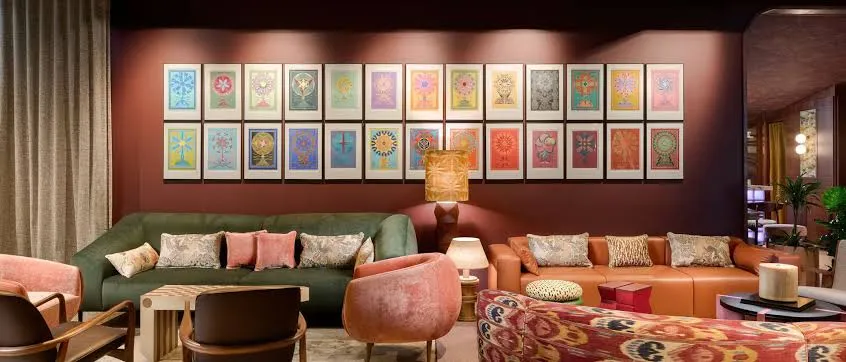
A meeting place with a name
Visiton Hotel’s introduction brings dining, live entertainment and gaming together. For an actual visit, confirm the current arrangements rather than treating that introduction as a timetable. Opening hours, reservations and access conditions belong to the specific evening you plan. The architecture can suggest possibilities, but only direct information can settle which ones are available.
Choose a meeting point that both people can describe without a photograph. A named reception desk or confirmed lounge entrance is easier to communicate than a general promise to meet downstairs. If someone prefers to leave early, agree whether the next meeting remains useful. A shared evening works better when its plan can change without requiring repeated negotiations.
Before leaving the room
- Confirm any dinner or performance booking.
- Agree a recognisable place and approximate time.
- Make leaving or changing plans easy to explain.
Read the connecting spaces
A hotel plan can reveal more about an evening than an isolated photograph of a glamorous bar. Look at the route between dining, seating and the room lifts. Ask whether a quieter waiting place is available if sound or crowds influence your comfort. This is a practical question about a proposed visit, not an assurance that every resort provides a separate retreat.
Seating has its own small design decisions. Deep chairs may suit a long conversation while a busy passage offers little reason to linger. A garden-facing area may appeal during daylight but feel different after dark. Think about the moment you want to spend there, then ask for relevant details instead of assuming that every attractive corner serves the same purpose.
| Evening moment | Useful space question |
|---|---|
| Waiting for dinner | Where can companions meet clearly? |
| Taking a quiet pause | Is seating away from the busiest route? |
| Returning to the room | Which route avoids unnecessary detours? |
A first casino visit introduces another threshold. Ask staff about entry requirements and where observation is appropriate before approaching a table. Watching should not oblige anyone to join in. If you choose to play, decide beforehand what time and money you are willing to spend, and keep those decisions independent of a companion’s enthusiasm or the result of a round.
Different choices, shared evening
Companions can enjoy the same resort without following identical routes. One might prefer a performance while another returns to a book. Give those options equal standing when arranging dinner. A clear meeting point preserves the shared part of the evening without turning every later choice into a test of togetherness or a reason to stay beyond your own interest.
- Keep meals separate from optional gaming spending.
- Allow a quiet return without a group departure.
- Confirm plans again if a performance time changes.
The route begins earlier than dinner. Our arrival article examines the first public spaces, and the demo-reading article offers a different kind of pause. For an October 2026 visit, use these questions alongside current information rather than as a promise of a particular programme.
Author’s opinion
I value resort public rooms that let an evening breathe. A clear meeting point, somewhere suitable to sit and an understandable route back can matter as much as the headline entertainment. My ideal shared plan contains an enjoyable meal and enough freedom afterwards for everyone to choose their own pace, including the uncomplicated pleasure of calling it a night.
Author: Faustina Rowan Bellmere. Publisher: Visiton Shared Spaces Quarterly.